

Obstacles on India’s path to self-reliance and development—and how to overcome them!
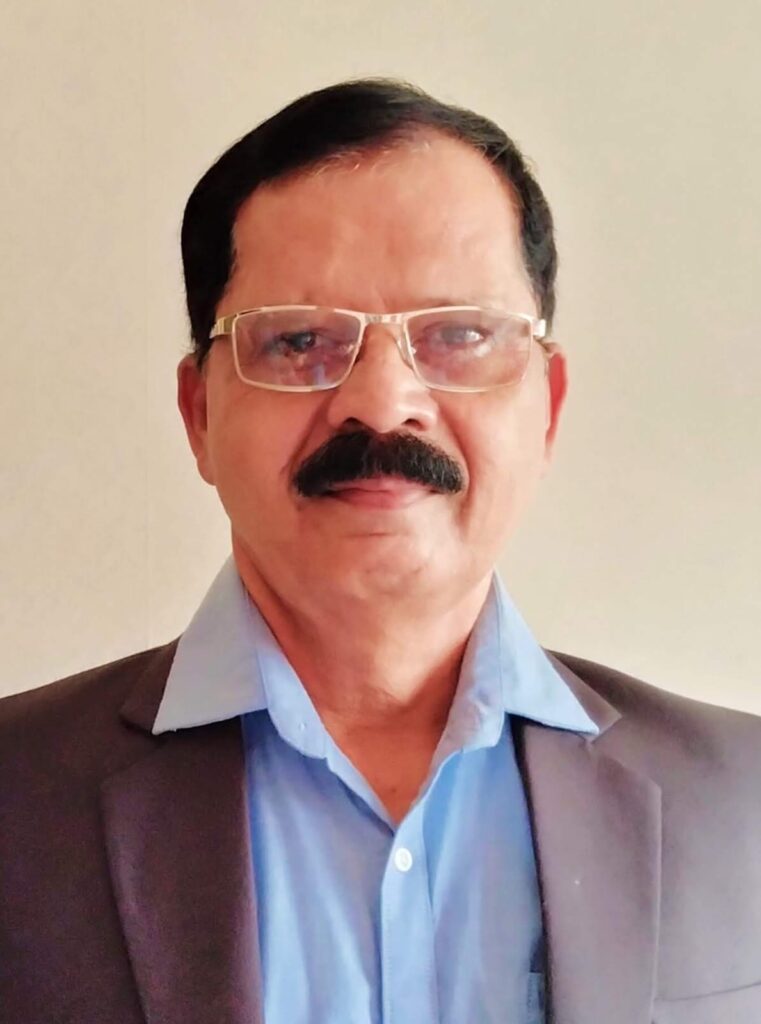
Mumbai shrekesh Choubey:-
Amidst the shifting geopolitical landscape, if the creative energy and skills of all Indians are fully harnessed for development, nothing can stop India from becoming a developed nation and a global superpower.
India’s vast population is not merely a numerical statistic; it represents a reservoir of creative energy, a storehouse of skills, and a capital of human potential. If this potential is supported by quality education, skill development opportunities, research resources, technology, and entrepreneurship, it can transform the nation into an economic superpower and a formidable global force.
Creative energy can lead to the development of new products, technologies, industries, and employment opportunities. Skill development will enhance the productivity, competitiveness, and quality of India’s workforce, thereby boosting production, exports, investment, and self-reliance.
However, human capital alone is insufficient for progress and development; quality education, the promotion of research, infrastructure creation, transparent systems, and equal access to opportunities are equally essential. Thus, if the creative potential of Indians is guided and supported by the right skills and policies, the population can transform into ‘people power’ (human capital), which in turn can translate into productivity and, ultimately, into national strength. This would lay a solid foundation for building a developed and powerful India.
It is often observed that Indians do not fully utilize their skills and creative potential; in other words, their capabilities are not being leveraged to the expected extent. The primary reasons for this include an education system that is not aligned with employment needs and a significant gap between the knowledge acquired through education and the practical skills required by the industry. Today, there are boundless opportunities to demonstrate innovation and capability. However, the reality is that modern research facilities, adequate capital, proper guidance, and accessible market pathways are not readily available. Moreover, skills are not fully valued; in certain sectors, certificates and traditional qualifications are prioritized over actual merit. Consequently, talented and meritorious Indians move abroad in search of better opportunities, meaning other nations—rather than India—reap the immense benefits of their skills.
Administrative and social hurdles in India often stifle the freedom to experiment with new ideas. It is essential to address these issues, foster a culture that embraces risk-taking, and shift the perspective on failure. Doing so will provide the right direction, opportunities, and platforms for Indian talent, ultimately translating their potential into national development.
It must be recognized—by the government and all stakeholders alike—that while Indians possess no shortage of innovative spirit, an effective ecosystem linking skills, research, industry, education, and opportunities is required to harness this potential for large-scale nation-building.